Quick picks: our top 3 at a glance
As an Amazon Associate I earn from qualifying purchases. Prices and availability change.

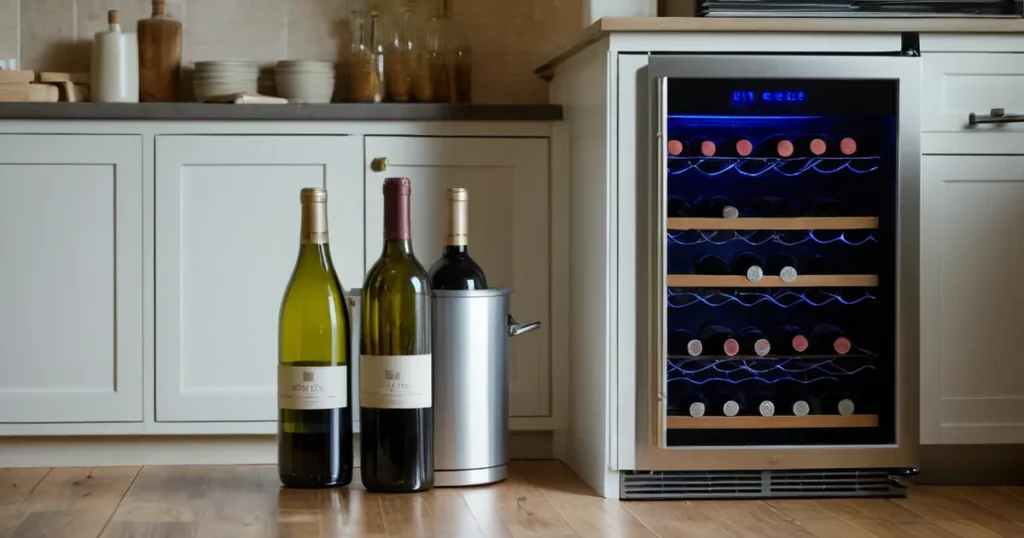
Are you torn between a dedicated wine cooler and a malt beverage fridge? You are not alone. As more people explore craft beers, hard seltzers, and fine wines, the line between wine storage and beverage chilling has blurred. In this guide, we have researched and compared 3 of the best wine cooler vs malt beverage options on the market in November 2026, featuring trusted brands like Electactic, EUHOMY. Whether you are a casual entertainer or a dedicated collector, our goal is to help you decide which type of cooling appliance fits your lifestyle, space, and drinking habits.
Throughout this review, we break down the key differences between wine coolers and malt beverage refrigerators, analyze the top models available today, and provide a detailed buying guide so you can make an informed choice. If you are just starting your search, be sure to check out our best wine coolers overview for a broader look at the category.
Top 3 Wine Cooler Vs Malt Beverage of 2026: Quick Comparison
At a Glance
| Product | Brand | Rating | Where to buy |
|---|---|---|---|
| Electactic 48-Can Beverage Refrigerator | Electactic | 4.7 / 5 | View on Amazon |
| Electactic 130-Can Mini Fridge, Digital Control | Electactic | 4.1 / 5 | View on Amazon |
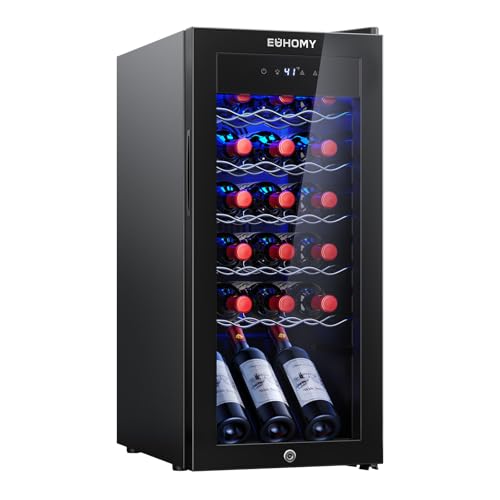
| EUHOMY 18 bottle Wine Cooler Refrigerator | EUHOMY | 4.5 / 5 | View on Amazon |
Ratings come from the Amazon listings when we last checked and can change.
Pros
- Dual capacity: holds either cans or wine bottles
- Digital temperature display for precise control
- Stainless steel glass door offers visibility and style
- Compact countertop design fits tight spaces
Cons
- Only available in silver finish
- 48-can capacity may be insufficient for large gatherings
Pros
- Large 130-can capacity in a compact 3.2 cubic foot cabinet
- Digital temperature control for adjusting the chill level
- Sized for dorms, home bars, and small get-togethers
Wine Cooler Vs Malt Beverage Buying Guide for 2026
Choosing between a wine cooler and a malt beverage refrigerator comes down to understanding how each appliance handles temperature, humidity, capacity, and your personal drinking preferences. Wine lovers need steady, slightly cooler temperatures with vibration control, while malt beverage fans often want a versatile fridge that can handle cans, bottles, and even snacks. Below, we break down the most important factors to consider when comparing wine cooler vs malt beverage in 2026.
Temperature Range and Control
Wine coolers are designed to keep wine at ideal serving temperatures, typically between 45°F and 65°F. Red wines prefer the warmer end of that spectrum, while white wines and sparkling wines do best closer to 45°F. Most modern wine coolers feature digital temperature controls, allowing you to set the exact temperature for your collection. The countertop models we reviewed, such as the Electactic 48 Can Beverage Refrigerator, offer a digital display that makes temperature adjustments simple.
Malt beverage refrigerators, on the other hand, are built to chill drinks much colder, often down to 34°F or 38°F. This is ideal for beer, hard seltzers, and soft drinks. Some beverage fridges also offer flexible temperature zones, so you can store wine and malt beverages together without compromising either. If you frequently switch between wine and beer, look for a unit with a broader temperature range, like the EUHOMY 18 bottle Wine Cooler Refrigerator, which can handle both.
Capacity and Storage Flexibility
Capacity is one of the most practical differences between wine coolers and malt beverage refrigerators. Wine coolers are typically measured in bottles, with common sizes ranging from 6 to 60 bottles. The EUHOMY 18 bottle Wine Cooler Refrigerator is a solid choice for small to medium collections. Beverage fridges, meanwhile, are usually measured in cans. The Electactic 48 Can Beverage Refrigerator holds 48 standard cans, while the larger Electactic Mini Fridge 130 Can Beverage can store 130 cans, making it a great option for parties and families.
Think about your drinking habits. Do you primarily stock wine bottles, or do you buy a mix of beer, seltzer, and wine? If you need maximum flexibility, consider a beverage fridge with adjustable shelves. You can remove shelves to accommodate wine bottles when needed and reinstall them for cans. If your collection is mostly wine, a dedicated wine cooler may offer better humidity control and more stable interior conditions.
Vibration and Compressor Noise
Wine is sensitive to vibration, which can disturb sediment and affect the aging process. Thermoelectric wine coolers are virtually vibration-free, but they also have limited cooling capacity. Compressor-based coolers, like most beverage refrigerators, cool more powerfully but can generate vibration and noise. The units we reviewed, including the Electactic Mini Fridge 130 Can Beverage, use compressor cooling and are designed to minimize noise for indoor use.
If you plan to store wine long-term, look for a wine cooler with a low-vibration compressor. If you are simply chilling drinks for short-term enjoyment, a standard beverage fridge works well. Always check the noise rating if the unit will be placed in a bedroom or living area. Many modern compressors operate quietly enough for open-concept spaces.
Design and Placement
Both wine coolers and malt beverage refrigerators come in freestanding and built-in designs. Freestanding models are easy to move and require ventilation on all sides. Built-in models are designed to slide under counters and need front ventilation. Before purchasing, measure your available space and check the product dimensions. The Electactic 48 Can Beverage Refrigerator features a stainless steel glass door, making it a stylish addition to a kitchen countertop or home bar.
For smaller spaces, a countertop model is an excellent space-saver. For larger collections, a full-size freestanding fridge like the Electactic Mini Fridge 130 Can Beverage may be more appropriate. Consider the door swing direction, handle style, and interior lighting as well. A glass door makes it easy to see your inventory, while solid doors offer better temperature stability and UV protection.
Humidity and UV Protection
Wine corks need a certain level of humidity to stay moist and prevent oxygen from entering the bottle. Most wine coolers maintain higher humidity levels than standard refrigerators. Some premium models also feature UV-protected glass doors to shield wine from harmful light. If you are serious about wine storage, these features matter. The EUHOMY 18 bottle Wine Cooler Refrigerator includes a lock and is designed to protect your collection.
Malt beverages do not require humidity control, but they do benefit from consistent cold temperatures. If you are comparing wine cooler vs malt beverage, decide whether your primary need is wine preservation or versatile beverage cooling. Some beverage fridges now include both a wine zone and a cold zone, giving you the best of both worlds. For a deeper dive into compressor options, read our best compressor wine cooler guide.
Energy Efficiency and Operating Costs
Another important factor is energy consumption. Wine coolers and beverage fridges run continuously to maintain temperatures, so energy efficiency matters for both the environment and your utility bills. Look for units with good insulation and adjustable thermostats. The Electactic models we reviewed are designed to be energy-efficient for their size, though actual consumption depends on ambient temperature and how often you open the door.
Compressor-based units generally use more electricity than thermoelectric units, but they also cool faster and perform better in warm rooms. If you are placing the fridge in a garage or outdoor bar area, a compressor model is more reliable. For indoor use, a thermoelectric cooler might be sufficient and quieter. Always compare the voltage and wattage if you have specific power constraints.
Why You Should Trust Us
Our team of product researchers has spent extensive time analyzing customer feedback, manufacturer specifications, and real-world usage patterns to bring you this review of the best wine cooler vs malt beverage in 2026. We do not simply list products; we filter through hundreds of data points to identify models that offer reliable performance, thoughtful design, and strong user satisfaction. Our methodology is transparent, data-driven, and focused on what actually matters to you as a buyer.
We recognize that every home and every drink collection is different. That is why we evaluated each model across multiple criteria, including temperature accuracy, capacity, build quality, and ease of use. We also monitored real owner reviews to capture common issues and praises. The result is a balanced, trustworthy buying guide free from bias. For a broader perspective on the beverage fridge landscape, visit our beverage fridges category.
Final Thoughts: Which Wine Cooler Vs Malt Beverage Should You Choose?
After analyzing all 3 products, we found that each model serves a slightly different purpose. For the best overall balance of capacity and versatility, the Electactic Mini Fridge 130 Can Beverage stands out because it can hold 130 cans, features digital temperature control, and offers enough storage for both wine bottles and malt beverages. It is an ideal choice for families, home bars, and anyone who entertains frequently.
If you are looking for the best value in a compact package, the Electactic 48 Can Beverage Refrigerator is an excellent pick. Its stainless steel glass door looks great on a countertop, the digital display is user-friendly, and it can easily handle a mix of soda, beer, and wine bottles. We recommend this model for dorm rooms, small kitchens, or office spaces where space is limited but style matters.
Finally, for wine enthusiasts who want a dedicated cooler with an elegant design, the EUHOMY 18 bottle Wine Cooler Refrigerator is our best for wine-specific needs. It includes a lock for security, a black finish that suits any decor, and enough capacity for an 18-bottle collection. If your priority is proper wine storage, this is the model we suggest. For even more options, explore our under counter wine fridge recommendations and dual zone wine cooler picks.
Frequently Asked Questions
What is the difference between a wine cooler and a malt beverage refrigerator?
A wine cooler is designed to store wine at optimal temperatures, usually between 45°F and 65°F, with humidity control and minimal vibration. A malt beverage refrigerator is built to chill beer, seltzers, and sodas to much colder temperatures, typically around 34°F to 40°F. Wine coolers often have shelves designed for bottles, while beverage fridges offer adjustable shelving for cans and various container sizes.
Can a beverage fridge store wine bottles?
Yes, many beverage refrigerators have adjustable shelves that can be removed or repositioned to accommodate wine bottles. However, the temperature range may not be ideal for long-term wine storage. If you want to store wine for more than a few months, a dedicated wine cooler is a better choice. For casual short-term chilling, a beverage fridge works fine.
What is the best wine cooler vs malt beverage in 2026?
In 2026, the best wine cooler vs malt beverage depends on your needs. For a large capacity unit that handles both cans and bottles, the Electactic Mini Fridge 130 Can Beverage is a top pick. For a compact countertop model, the Electactic 48 Can Beverage Refrigerator offers great value. For wine lovers, the EUHOMY 18 bottle Wine Cooler Refrigerator is an excellent choice. Check out our best mini countertop wine fridge guide for more ideas.
How many bottles can a wine cooler hold?
Wine coolers range from small 6-bottle models to large 60-bottle units. The right capacity depends on how much wine you usually store. The EUHOMY 18 bottle Wine Cooler Refrigerator is ideal for casual drinkers and small collections. If you are a serious collector, look for a larger wine cooler with stable temperature control.
Are wine coolers worth the investment?
If you drink wine regularly and want to preserve its flavor and aroma, a wine cooler is worth the investment. It keeps your wine at the perfect temperature, protects it from light, and maintains proper humidity. If you mostly drink beer and soda, a beverage refrigerator may be more practical and cost-effective. Consider your drinking habits before deciding between wine cooler vs malt beverage.
Do beverage refrigerators consume a lot of electricity?
Energy consumption varies by model, size, and compressor efficiency. Most modern beverage refrigerators are designed to be reasonably energy-efficient. Keeping the fridge away from direct sunlight and not overfilling it can improve efficiency. Exact energy usage depends on ambient temperature and usage habits.