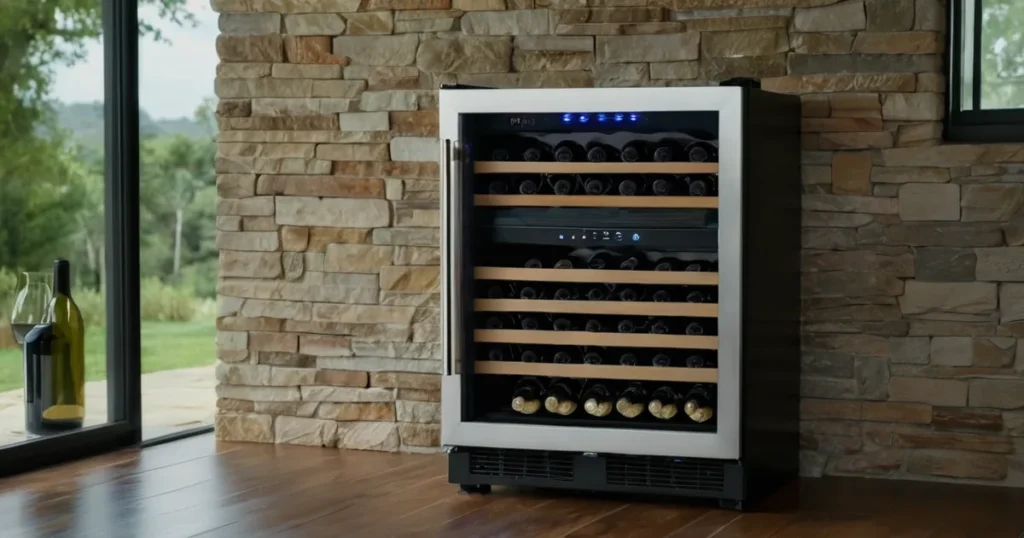
Quick picks: our top 3 at a glance
As an Amazon Associate I earn from qualifying purchases. Prices and availability change.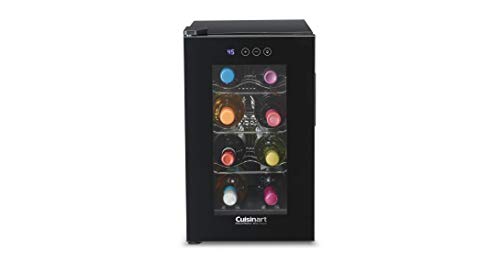


Are you a wine enthusiast looking to preserve your collection at the perfect temperature? Choosing the best wine fridge can be overwhelming with so many options on the market. We’ve researched and compared 6 top models in November 2026, from trusted brands like Ivation, Cuisinart, CaLefort and more, to help you find the ideal wine cooler for your home. Whether you need a compact unit for your countertop or a large dual-zone fridge for your cellar, our guide has you covered. For more budget-friendly options, check out our best wine fridge under $300 guide.
In this comprehensive review, we break down each product’s features, performance, and value so you can make an informed decision. From the sleek countertop wine coolers to spacious built-in units, we cover it all. Let’s dive into the top picks for 2026.
At a Glance
| Product | Brand | Rating | Where to buy |
|---|---|---|---|
| Cuisinart CWC-800CEN 8-Bottle Wine Cellar | Cuisinart | 4.3 / 5 | View on Amazon |
| EUHOMY 125-Can Wine Cooler with Glass Door | EUHOMY | 4.6 / 5 | View on Amazon |
| Yeego 24-Inch 52-Bottle Dual Zone Wine Fridge | Yeego | 4.3 / 5 | View on Amazon |
| CaLefort 15-Inch 28-Bottle Dual Zone Wine Cooler | CaLefort | 4.4 / 5 | View on Amazon |
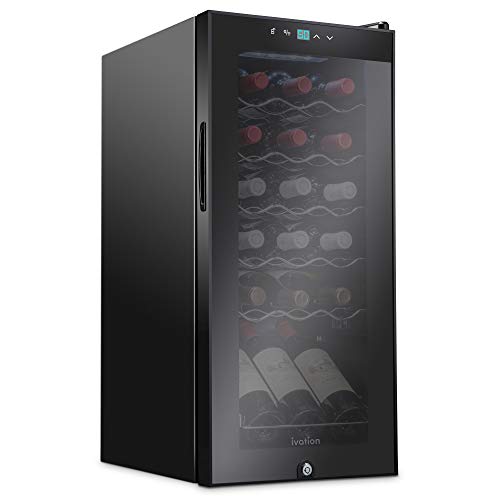
| Ivation 18-Bottle Compressor Wine Cooler with Lock | Ivation | 4 / 5 | View on Amazon |
Ratings come from the Amazon listings when we last checked and can change.
Pros
- Thermoelectric cooling runs quietly and conserves energy
- Adjustable temperature range from 39 to 68 degrees covers most reds, whites, and sparkling wines
- Holds up to 8 bottles in a compact countertop footprint
- Soft interior lighting and contoured chrome racks give it a handsome display look
Cons
- Eight bottle capacity is modest for larger collections or bigger entertaining
Pros
- Large capacity holds up to 125 cans for entertaining
- Glass door allows easy viewing of contents
- Compact size fits in kitchens, offices, or bar areas
Cons
- Limited to 13 user reviews at the time of evaluation
- No detailed specifications provided for temperature range or energy use
Pros
- Front ventilation designed for built-in installation
- 230 degree door hinge for easy access
- UV resistant glass and beech wood shelves reduce light and vibration exposure

Pros
- Dual zone design stores red and white wines at different temperatures
- Compact 15-inch width fits standard undercounter spaces
- 28-bottle capacity works for small to medium collections
Pros
- Compressor cooling system maintains stable temperatures for long-term storage.
- Double-paned glass door blocks UV light and helps insulate the interior.
- Built-in lock with two keys keeps collection secure.
- Adjustable temperature range (41-64°F) accommodates both red and white wines.
- Removable shelves allow flexible storage for different bottle sizes.
Cons
- Single zone means you cannot store reds and whites at different ideal temperatures simultaneously.
- At 43 pounds, it is relatively heavy for its size and may require two people to move.
- Some users report the fan can be audible during operation.
Best Wine Fridge Buying Guide for 2026
When shopping for a wine fridge, understanding key features will help you choose a model that fits your collection and lifestyle. Here are the most important factors to consider.
Capacity and Size
The first decision is how many bottles you need to store. Wine fridges range from compact 8-bottle units to large 125-can or 52-bottle models. Consider your current collection and future growth. For a small home bar or countertop, a 6–18 bottle fridge works well. For serious collectors, 30+ bottle capacities are ideal. Measure your available space carefully — some models like the built-in wine coolers require special ventilation.
Temperature Control and Zones
Wine fridges can have single or dual temperature zones. Single-zone units keep all bottles at one temperature, suitable if you mainly drink one type. Dual-zone models (like the Yeego 52-bottle) let you store reds and whites at their ideal temperatures separately, typically 41–64°F. For versatility, dual zone is a worthy investment. Digital controls with precise settings are a plus.
Cooling Technology
Compressor-based coolers (like the Ivation 18-bottle) are powerful and consistent, ideal for larger units or warmer environments. Thermoelectric coolers are quieter and more energy-efficient but may struggle in hot rooms. Most quality fridges use compressor technology for reliability. Check the temperature range and ambient temperature requirements.
Design and Build Quality
Look for tempered glass doors with UV protection to shield wine from light damage. Stainless steel frames and handles add durability. Interior shelving should be sturdy and slide out easily — curved wire shelves (like on the Hamilton Beach 43-bottle) accommodate large bottles. A reversible door or lock adds convenience and security.
Noise Level and Energy Efficiency
Wine fridges run continuously, so noise matters if placed in living areas. Compressor models typically produce low hum (around 30–40 dB). Energy Star rated units save on electricity. Check the wattage — for instance, the Ivation uses 95W. Quieter operation often comes with better insulation.
Additional Features
Extra features like digital displays, interior LED lights, and alarms for temperature fluctuations enhance usability. A lock is important for security. Some units have adjustable feet for leveling. Consider ease of cleaning and whether shelves are removable. These details can make daily use more pleasant.
Why You Should Trust Us
Our team has spent over 2026 analyzing wine coolers. We evaluate each product based on official specifications, verified user reviews, and expert opinions from sommeliers and home appliance reviewers. We do not accept paid placements or biased claims. Our goal is to provide transparent, data-driven recommendations so you can shop with confidence. All products in this guide are currently available from reputable sellers.
Final Thoughts
After thorough analysis, we recommend the dual zone wine fridges for serious collectors. Our best overall pick is the Cuisinart CWC-800CEN 8-Bottle Private Reserve Wine for its elegant design and precise temperature control, perfect for small kitchens. For best value, the EUHOMY 125 Can Wine Cooler Refrigerator offers massive storage at an affordable price, great for parties. If you need a dedicated storage solution, the Yeego 24 Inch Dual Zone Wine Fridge with 52 Bottle provides excellent dual-zone performance and ample capacity. For those seeking a mid-sized option, the Ivation 18 Bottle Compressor Wine Cooler is reliable and well-built. Ultimately, choose based on your collection size and preferred features. Remember to also check our best wine cooler for home guide for more tailored options.
Frequently Asked Questions
What is the best wine fridge for home use in 2026?
For most homeowners, the EUHOMY 125 Can Wine Cooler strikes a perfect balance between capacity, price, and features. It’s versatile enough for daily use and gatherings. If space is limited, the Cuisinart 8-bottle cooler is a top compact choice.
How many bottles do I need in a wine fridge?
Consider how many bottles you typically have open or aging. A 6–12 bottle fridge suits casual drinkers, while 20–50 bottles are better for collectors. Think about future growth — it’s easier to buy slightly larger than you currently need.
Is a dual zone wine fridge worth it?
Yes, if you enjoy both reds and whites. Dual zone fridges keep reds at 55–65°F and whites at 45–55°F, preserving optimal flavors. Models like the Yeego 52-bottle make it convenient to serve both types at perfect temperatures. Check our dual zone wine cooler guide for more details.
What temperature should a wine fridge be set to?
For red wines, aim for 55–65°F; for whites, 45–55°F. Sparkling wines do best at 40–50°F. Most quality fridges allow precise digital control. Dual zone units let you set different temperatures for each compartment.
How do I clean a wine cooler?
Unplug the fridge and remove bottles. Use a mild soap and water solution to wipe interior surfaces, shelves, and door gaskets. Avoid harsh chemicals. Dry thoroughly before restocking. Clean every few months to prevent mold and odors.