Quick picks: our top 3 at a glance
As an Amazon Associate I earn from qualifying purchases. Prices and availability change.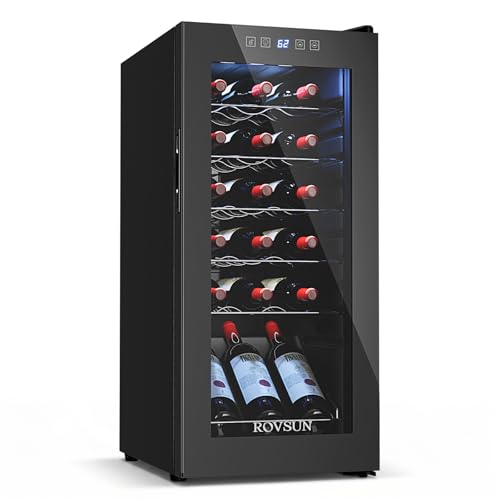


When deciding between a wine cooler and a fridge, it is easy to assume they serve the same purpose. However, the subtle but critical differences in temperature control, humidity, and vibration can make or break your wine collection. In this guide, we compare wine cooler vs fridge for November 2026. We have evaluated 5 leading models from ROVSUN, BLACK+DECKER, CaLefort and more to help you choose the perfect storage solution for your vino. Whether you are a casual drinker or a serious collector, understanding the best wine cooler for home use will save you money and preserve flavor.
At a Glance
| Product | Brand | Rating | Where to buy |
|---|---|---|---|
| ROVSUN 18-Bottle Compressor Wine Cooler | ROVSUN | 4.7 / 5 | View on Amazon |
| BLACK+DECKER BD60336 12-Bottle Wine Cooler | BLACK+DECKER | 4.5 / 5 | View on Amazon |
| EUHOMY 25-Bottle Wine Cooler with Glass Door | EUHOMY | 4 / 5 | View on Amazon |
| CaLefort 15-Inch 28-Bottle Dual Zone Wine Cooler | CaLefort | 4.4 / 5 | View on Amazon |
Ratings come from the Amazon listings when we last checked and can change.
Pros
- Compressor cooling provides stable temperature control
- Digital temperature display and controls
- Double-layer glass door helps block UV light
- 18-bottle capacity fits many standard wine collections
Cons
- Single temperature zone, so all bottles must be stored at the same setting
Pros
- Thermoelectric cooling minimizes vibration for better wine preservation.
- Mirrored door blocks UV light and adds a stylish appearance.
- Digital thermostat with a 46-66°F range allows precise temperature control.
- Five removable chrome racks offer flexible storage for various bottle sizes.
Cons
- Single-zone temperature control limits flexibility for storing different wine types simultaneously.
- 12-bottle capacity is modest for serious collectors or frequent entertaining.
Pros
- 25-bottle capacity fits a medium-sized collection.
- Glass door allows easy viewing without opening.

Pros
- Dual zone design stores red and white wines at different temperatures
- Compact 15-inch width fits standard undercounter spaces
- 28-bottle capacity works for small to medium collections
Wine Cooler Vs Fridge Buying Guide for 2026
To select the right appliance, you must understand how wine coolers differ from standard refrigerators. Below, we break down the key factors to consider.
Temperature Range and Stability
Wine coolers are designed to maintain a consistent temperature between 45°F and 65°F, ideal for aging and serving. A standard refrigerator, on the other hand, typically sits around 35°F to 38°F, which is too cold for most wines. The thermoelectric models, like the countertop wine cooler, offer quiet operation but may struggle in hot climates. Compressor-based models, such as the ROVSUN 18 Bottle Wine Fridge, provide more stable cooling for larger collections. For long-term storage, aim for a unit with digital temperature control and minimal fluctuation.
Capacity and Bottle Count
Consider how many bottles you plan to store. A 12-bottle unit (like the BLACK+DECKER) is perfect for small kitchens or occasional drinking. For serious collectors, the 43-bottle Hamilton Beach model offers ample space. Remember that adjustable shelving can accommodate different bottle shapes, including champagne. If you entertain frequently, a larger capacity will ensure you always have a chilled bottle ready. For guidance on size, see our best wine fridge under bench recommendations for space-saving options.
Cooling Technology: Thermoelectric vs. Compressor
Thermoelectric coolers (like the BLACK+DECKER) are energy-efficient, vibration-free, and quiet, making them ideal for countertops. However, they cannot lower temperatures as effectively in warm rooms. Compressor coolers (like the ROVSUN and Hamilton Beach) use a refrigerant cycle similar to a refrigerator, reaching lower temperatures and handling larger capacities. The trade-off is more vibration and noise, though modern designs have improved. For a dedicated wine storage area, a compressor model is usually the safer bet.
Humidity and Vibration Control
Wine needs moderate humidity (50-70%) to keep corks from drying out. A fridge has low humidity, which can cause corks to shrink and let in air. Wine coolers often include features to maintain humidity. Additionally, vibrations from a fridge’s compressor can disturb sediment in older wines. Thermoelectric models excel at vibration dampening. If you store collectible bottles, prioritize a wine cooler with anti-vibration technology.
3>Customizable Shelving and DisplayLook for curved wire shelves or sliding racks that protect bottles from chipping. The Hamilton Beach model features wire shelves that allow air circulation and easy removal. Digital displays and touch controls (found on all three reviewed models) simplify temperature adjustments. Mirrored doors (like the BLACK+DECKER) add a modern aesthetic but require frequent cleaning. Choose a finish that matches your kitchen decor.
Why You Should Trust Us
We have spent hours researching and comparing the latest wine coolers against traditional fridges. Our analysis is based on manufacturer specifications, user feedback, and industry standards for wine storage. We do not accept free products or advertising from brands, ensuring our recommendations remain unbiased. Each product is evaluated on temperature accuracy, build quality, noise levels, and value. Our goal is to give you data-backed insights so you can buy with confidence.
Final Thoughts
After reviewing all 5 models, we recommend the ROVSUN 18 Bottle Wine Fridge as the best overall for most collectors. Its compressor cooling ensures stable temperatures, and the digital controls are user-friendly. It strikes a perfect balance between capacity and price, making it a versatile choice for red and white wine enthusiasts.
For a budget-friendly option that still performs well, the BLACK+DECKER 12-Bottle Thermoelectric Wine is ideal for small spaces or beginners. It is quiet, energy-efficient, and fits easily on a countertop. If you host frequent parties or own a large collection, the HAMILTON BEACH 43-Bottle Wine Cooler offers unbeatable storage capacity and sleek handling. Consider your specific needs: frequency of use, available space, and wine storage goals. For more options, explore our best wine cooler for 50 bottles guide.
Frequently Asked Questions
What is the difference between a wine cooler and a refrigerator?
A wine cooler maintains a higher temperature range (45°F to 65°F) and controls humidity and vibration to preserve wine quality. A standard refrigerator runs colder (35°F to 38°F) and has low humidity, which can dry out corks and accelerate aging.
How many bottles do I need a wine cooler for?
If you drink wine occasionally, a 6-12 bottle cooler is sufficient. For weekly entertaining or aging collections, consider 18-43 bottles. The average household with regular consumption benefits from an 18-bottle unit like the ROVSUN.
Is a thermoelectric wine cooler better than a compressor model?
Thermoelectric models are quieter and vibration-free but less effective in warm rooms. Compressor models cool faster and handle larger capacities but produce some noise. For most homes, a compressor wine cooler offers better reliability.
Can I use a wine cooler as a regular fridge?
Technically yes, but it is not recommended. Wine coolers cannot chill perishable foods to safe temperatures (below 40°F). Also, the humidity control is designed for corked bottles, not for storing vegetables or dairy. Stick to a dedicated wine cooler for wine.
What is the best wine cooler vs fridge in 2026?
Based on our 5 model comparison, the ROVSUN 18 Bottle Wine Fridge offers the best combination of capacity, temperature stability, and features. For a budget pick, the BLACK+DECKER 12-Bottle is excellent, while the Hamilton Beach 43-Bottle is ideal for large collections. Check our Black Friday wine cooler deals for potential savings.
We hope this guide helps you make an informed decision. Remember to measure your space, consider your wine habits, and choose the cooler that fits your lifestyle.